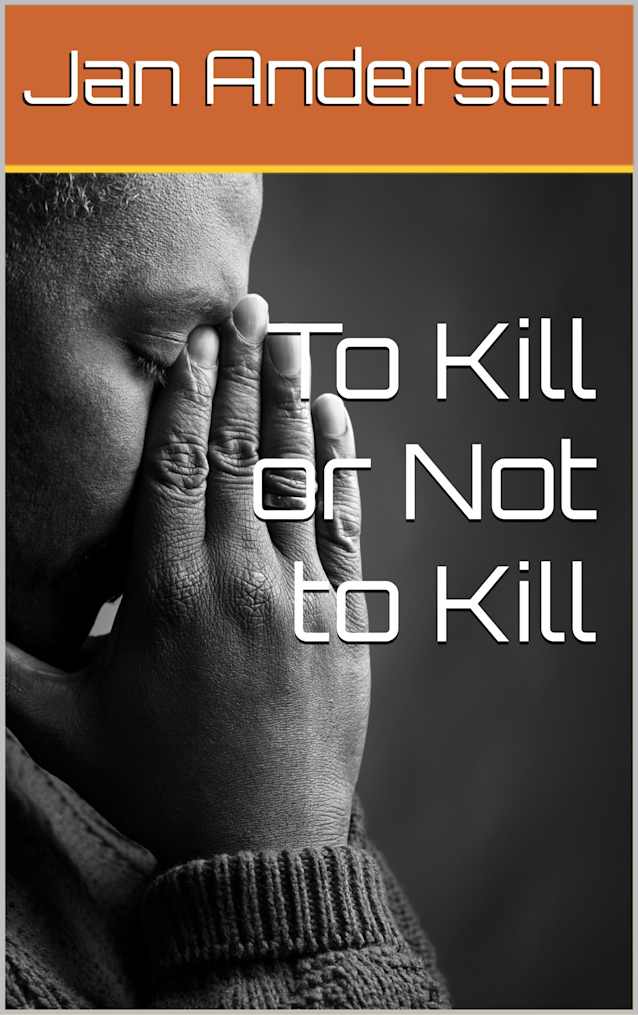
To Kill or Not to Kill
About
One of Melbourne’s top criminal lawyers, Gerardo, invites a young man, George, to dinner at his favourite restaurant in Lygon Street, ostensibly to discuss financial planning. While George is using the bathroom, Gerardo spikes his drink. He then drives George into his home garage and, whilst chanting Buddhist prayers, quietly murders him.
The next day Gerardo, leaving George’s body in the front seat of his Tesla, parks outside the police station and goes in to confess his murder.
A cadet journalist at the Melbourne Argus, Jhana, is given the assignment by her editor to delve into the story of Gerardo, who is about to be sentenced in court, having requested no legal representation and pleading guilty to the murder.
Jhana discovers that Gerardo is not a violent man. Just the reverse, he is a meditating Buddhist who has never killed anything. He doesn’t even swat mosquitoes. How can someone so gentle become a killer?
Jhana learns that Gerardo has taken George’s life because George was a clever sociopath who date-raped women. George was always able to evade the law. But when George started dating Gerardo’s own granddaughter, Gerardo decided he had no choice but to take vigilante action and to wear the consequences.
But as Jhana investigates this story she finds more twists and turns than she expects. She discovers that George was not the rapist yet he is still complicit in the crimes.
Jhana has to balance a set of complex ethical dilemmas. Does she tell the truth, which is her personal pledge in becoming a journalist? Should she do that when others can be harmed by the truth? And how does the law of karma affect Gerardo when he took a life, not for his own gain, but to save someone else? But the big issue she must get her head around is this: does vigilantism become a legitimate and reasonable act, when it is in the interests of justice and the protection of others?
As she navigates this path, Jhana has her own drink spiked and the real perpetrator of the crimes has her in his power. As the race is on to find Jhana her boyfriend in the making, Andrew, enlists the help of a Croatian psychic to find her.
Jhana’s investigative journalism takes her into her own grief, as she realises she has still not ventured into the realm of feelings after the recent, sudden death of her own father. She forms a relationship with Gerardo, now in prison, who reminds her of her father. He gives her some fatherly advice and helps with her ethical dilemmas.
These complex social and moral issues are woven into this third person narrative crime novel. There is a blend of complex characters, some of them witty, some mystical, others sociopathic, who compel Jhana to question what she believes, and to see beyond the confines of her structured upbringing.